Why Software Wallets Are Insufficient for High-Value Keys
Software wallets residing on personal computers or smartphones operate inside general-purpose operating systems (Windows, macOS, iOS, Android). In these environments, private keys exist in system memory during signing operations—vulnerable to keyloggers, screen recorders, memory dump exploits, and zero-day OS vulnerabilities.
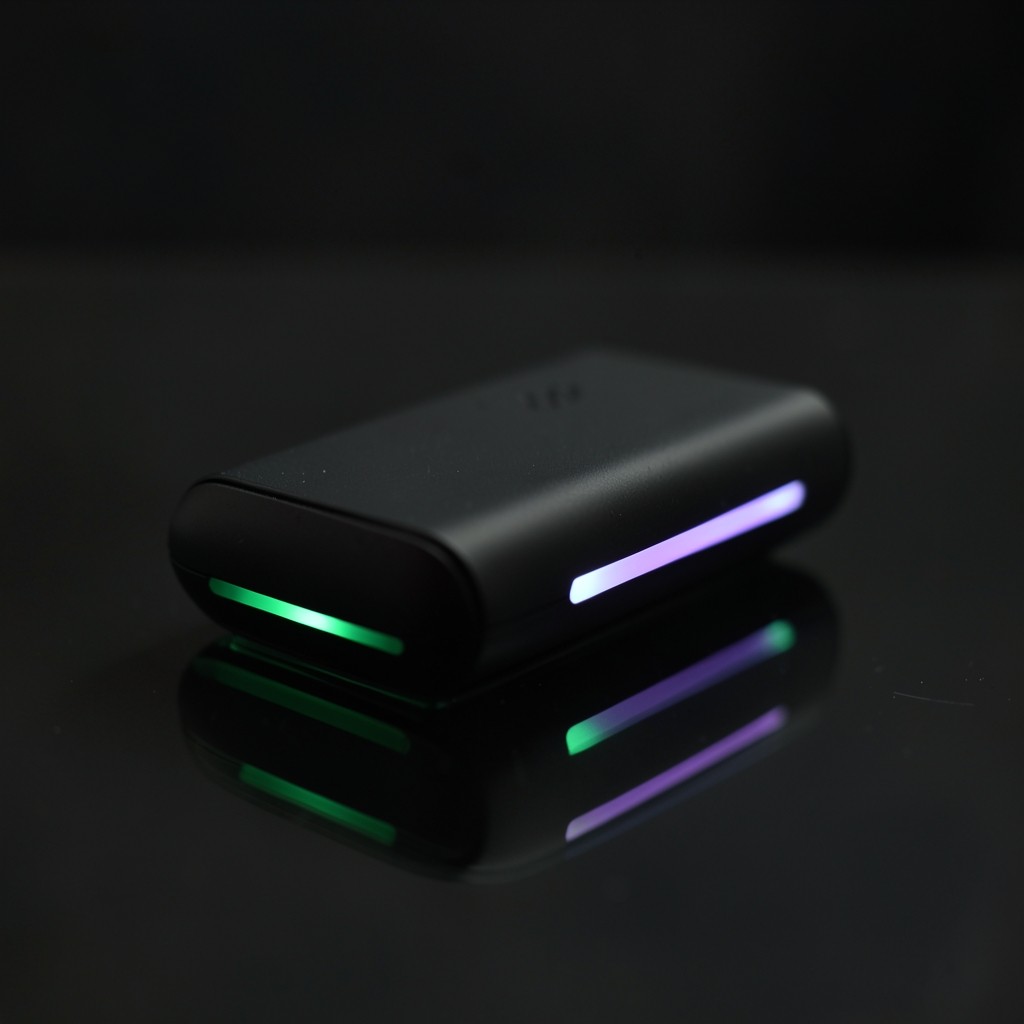
A Hardware Security Token (Cold Wallet) solves this vulnerability by isolating cryptographic private keys inside a physically hardened microchip called a Secure Element (SE).
1. How Hardware Security Tokens Function
A hardware security device is a specialized, restricted-purpose computer that performs only two cryptographic functions:
- Generating and storing 256-bit asymmetric private keys inside the tamper-resistant Secure Element.
- Receiving an unsigned transaction payload, parsing its parameters on a physical display screen, and generating a digital signature inside the chip before returning only the signature to the host computer.
The private key never leaves the Secure Element under any circumstances. Even if the host laptop is thoroughly infected with advanced malware, the attacker cannot extract the private key stored inside the hardware token.
2. Comparing Connectivity Mechanisms: USB vs. Optical QR Air-Gap
When selecting hardware security architecture, communication channels represent an important consideration:
| Connectivity Model | Transmission Mechanism | Threat Profile | Operational Usability |
|---|---|---|---|
| Direct USB Cable | Physical USB connection (HID / WebUSB protocol) | Minimal, but theoretical exposure to malicious USB firmware exploits or host OS driver attacks. | High speed; seamless for high-frequency signing tasks. |
| Optical QR Air-Gap | 100% wireless via camera and animated screen QR codes | Complete physical isolation; zero electrical connection between signer and host computer. | Requires scanning QR codes back and forth; optimal for high-value cold custody. |
| MicroSD Sneakernet | PSBT binary files transferred via physical MicroSD cards | Physical air-gap, but requires careful handling of file read/write firmware risks. | Slightly slower workflow; preferred for Bitcoin / multi-sig cold setups. |
3. The 25th Word: BIP-39 Passphrase Architecture
Most users are familiar with 12 or 24 mnemonic seed words. However, the BIP-39 standard supports an optional 25th Word (Passphrase) that provides vital security advantages:
- Deterring Physical Seed Theft: If an adversary discovers your 24 stamped metal seed words, they cannot access your assets without knowing the secret passphrase stored separately.
- Hidden Vaults (Plausible Deniability): Entering a different passphrase generates an entirely distinct set of addresses under the exact same 24 words. A decoy wallet with nominal balances can be maintained under a simple passphrase to satisfy extortion threats.
4. Physical Backup Engineering: Why Stainless Steel Is Mandatory
Paper backups degrade over time and are easily destroyed by water, house fires, or insect damage. For enduring key custody:
- 316-Grade Marine Stainless Steel: Resistant to temperatures up to 1,400°C, chemical corrosion, and structural crushing.
- Manual Center Punch Stamping: Avoid using electric engraving pens or chemical etchings that can fade; stamp each letter using hardened steel punches.
- Geographic Redundancy: Store backup plates in tamper-evident sealed bags across at least two geographically separated, climate-controlled safe deposit locations.
Conclusion
Hardware security tokens and physical steel backups provide the only mathematically and physically sound foundation for long-term cryptocurrency custody.
To review your team’s hardware token distribution and backup protocols, consult our Key Management Framework or book a dedicated Key Custody Architecture Review.